
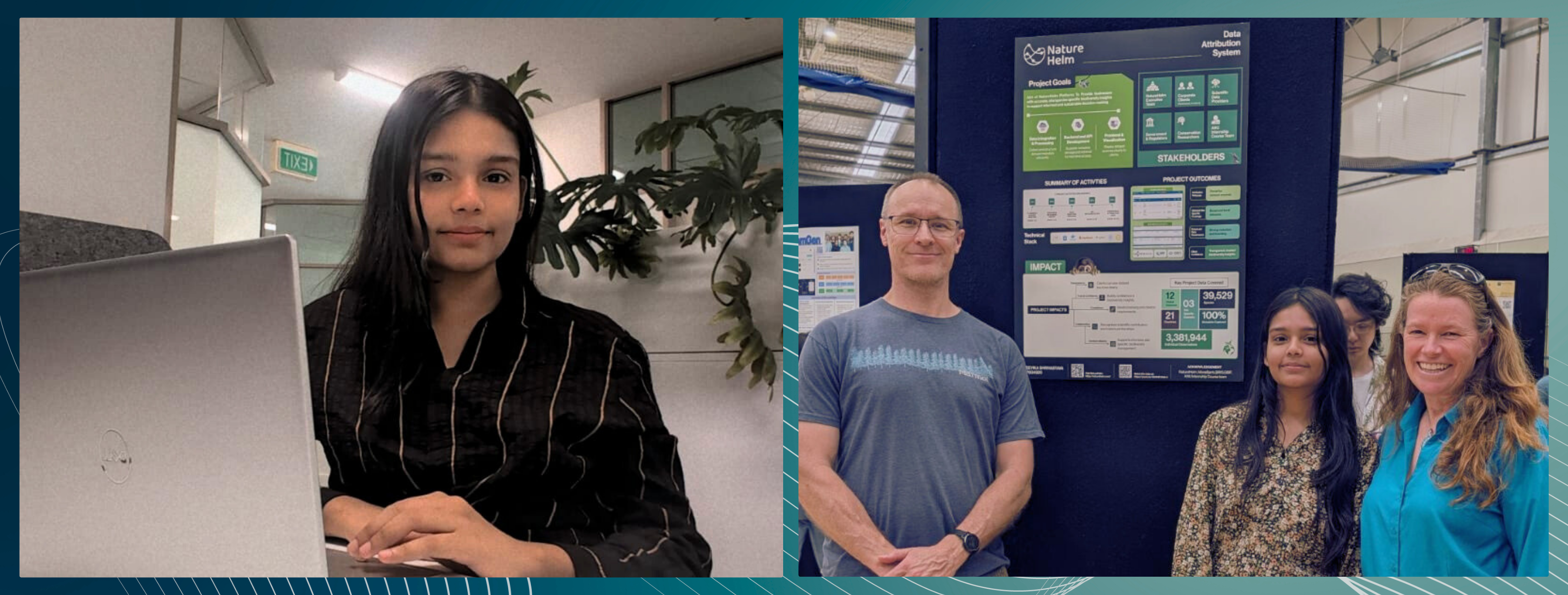
From Algorithms to Ecosystems: An Interview with NatureHelm’s Data Intelligence Intern, Jeevika Shrivastava
My name is Jeevika Shrivastava, and I’m completing a Master’s in Machine Learning and Computer Vision at ANU. I have always been fascinated by intelligent data analysis and how data driven methods can uncover meaningful patterns. This curiosity drew me to NatureHelm, a biodiversity insights platform, where I was intrigued by how raw ecological data can be transformed into meaningful insights.
What was it specifically about NatureHelm’s mission that compelled you to choose an internship here?
What stood out to me about NatureHelm’s mission is its focus on biodiversity and generating insights that can inform real-world environmental understanding. Unlike many companies that focus primarily on technology or commercial objectives, NatureHelm’s work emphasizes the meaningful application of information to support ecological knowledge and research, which I found truly inspiring.
What does a typical day look like for you as an intern at NatureHelm?
A typical day at NatureHelm starts with a catch-up meeting with my supervisor, where I update them on my activities and progress. I then focus on my work for the day. We also have a WINGs meeting, where the team shares wins, insights, needs, gratitude, and upcoming goals. The office environment is calm and peaceful, with people from other startups working nearby, which makes it easy to exchange ideas with like-minded individuals. I take a lunch break, then return to work, aiming to complete the goals I set for the day. The day usually ends with a brief update to my supervisor on progress and next steps.
Can you describe the main project you’ve been working on?
I have been working on the Data Attribution System at NatureHelm. The core problem it addresses is ensuring that users of the platform can trace all biodiversity data to its source, understand where and when datasets were retrieved, and comply with licensing or citation requirements. My role involves collecting datasets, setting up processes to trace them to their sources, and making this information accessible to users through the platform, enabling transparency and fostering trust in the insights provided.
What are your next steps after the internship?
After completing my internship, I plan to further explore applications of data intelligence in environmental and biodiversity domains. Beyond technical skills like data management and attribution processes, I have also gained valuable experience in teamwork, communication, and collaborating across interdisciplinary teams. I will apply both these technical and professional skills to future projects or roles, combining technical expertise with effective collaboration.
What is one piece of advice you would give to a student?
Always stay open to learning and exploring beyond your comfort zone. Some of the most valuable experiences and insights come from trying new things, asking questions, and engaging with areas that challenge you. Embrace curiosity and don’t be afraid to step outside familiar boundaries. That’s how you grow both technically and personally.